A good weeknight seasoning earns its place by answering a simple question: what are we cooking tonight? With Lawry's Casero, Total Seasoning, Adobo with Pepper and Carne Asada give familiar ingredients different directions. Pick a blend for the meal, let its ingredients do their work, and finish with something fresh.
You do not need every jar on the shelf. We recommend starting with one blend that fits the food you cook most often, then adding individual spices when you want more control. Here is how to make that choice, avoid overlapping salt, and turn a practical pantry into several dinners that taste different.
Start with the flavor you want
Read the ingredient list before the front label makes the decision for you. The 10.75 oz Total Seasoning formula brings garlic and onion together with an assortment of herbs. Adobo with Pepper centers garlic, black pepper, oregano and turmeric. Carne Asada adds cumin, oregano and red pepper to a garlic base. All three contain salt, so they already handle part of the seasoning job.
Think about the finished plate as well as the protein. Chicken with beans and a simple salad might suit an herbal blend. Chicken tucked into tortillas with peppers may benefit from the cumin character of Carne Asada. The same cut can lead to several meals without requiring a different cooking technique.
| Blend | Flavor direction | A useful starting meal | Finish at the table |
|---|---|---|---|
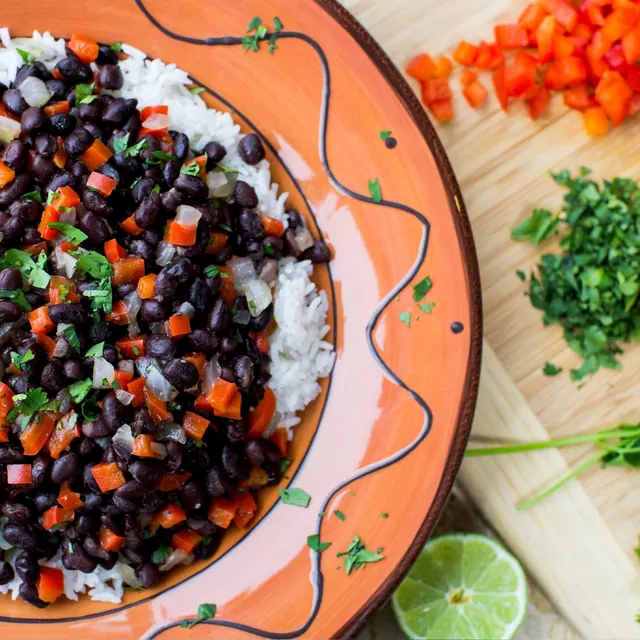
| Total Seasoning | Garlic, onion and mixed herbs | Rice, beans and roasted vegetables | Chopped cilantro or a squeeze of lime |
| Adobo with Pepper | Garlic, black pepper, oregano and turmeric | Chicken with potatoes and cabbage | Lemon or a spoonful of fresh salsa |
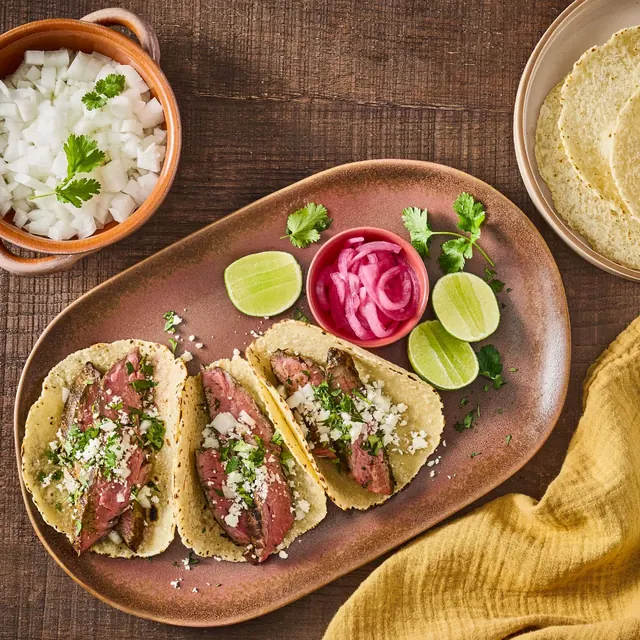
| Carne Asada | Garlic, cumin, oregano and red pepper | Grilled steak or mushroom tacos | Onion, cilantro and lime |
| Pollo Asado | A blend intended for chicken dishes | Roasted chicken with rice | Choose accompaniments after checking the bottle's ingredients |
These are meal suggestions, not restrictions. A name can point you toward a familiar use without limiting the jar to one ingredient. For the current selection, browse our seasoning blends.
Total Seasoning for a flexible dinner
Total Seasoning is a sensible first choice when you want one jar to work across a pot of beans, a vegetable tray and a quick protein. The manufacturer’s published 10.75 oz herb mixture includes oregano, parsley, celery seed and cilantro, alongside garlic and onion. That breadth makes it useful when dinner needs a savory foundation without a long list of separate measurements.
Try building a bowl around cooked rice, warm beans and vegetables you already have. Season the beans lightly as they heat, then taste them before adding anything else. Roast or sauté the vegetables separately so their texture stays distinct. Add avocado, shredded cabbage or a little fresh salsa when assembling the bowl.
Keep the rice relatively simple if the beans and vegetables carry the blend. Seasoning every component to the same strength can make the whole bowl tiring to eat. A mild base gives you room to enjoy the brighter or stronger elements.
“a savory mix of salt, garlic, onion, oregano, parsley, and cilantro.”
McCormick's description of Lawry's Total Seasoning
Adobo with Pepper when garlic and pepper lead
Adobo with Pepper is useful for cooks who enjoy a straightforward garlic-and-pepper profile. The current Lawry's ingredient list also names oregano and turmeric. We would reach for it when roasting potatoes, seasoning chicken, or giving a pan of vegetables a savory starting point.
For a simple potato side, cut the pieces to a similar size, coat them lightly with oil, and add the blend evenly before roasting. Use a tray large enough to spread them out. When the potatoes are crowded, they release moisture into each other and have less opportunity to develop browned edges.
For a chicken dinner, match the side dishes to the seasoning already on the meat. A tomato salad, cabbage with citrus, or plain rice can add variety without another salty layer. If you want more garlic, a single-ingredient garlic powder gives you that option without adding a second salt-containing blend.
Dry adobo seasoning is also different from a jar of chipotle peppers in adobo sauce. One is a dry pantry blend; the other contributes a sauce, chile flavor and moisture. They are not interchangeable spoon for spoon.
Carne Asada beyond steak
Carne Asada is the natural place to begin for steak tacos, but its garlic, cumin, oregano and red pepper can also suit chicken, peppers or mushrooms. The blend includes salt and ingredients that bring acidity, so take that into account before adding a separate salty marinade or a generous squeeze of citrus.
For mushrooms, cut or tear them into pieces large enough to hold some texture. Cook them in a roomy skillet and let moisture evaporate before expecting browned edges. Add the seasoning thoughtfully, then serve with warm tortillas and a fresh topping. The result is a different kind of taco dinner, using the same useful flavor direction.
If you are cooking steak, plan the meal before lighting the grill. Prepare toppings, set out a clean cooked-food platter, and find your thermometer. Our carne asada guide covers the cooking sequence, slicing and a balanced taco spread in more detail.

Where Pollo Asado fits
Pollo Asado belongs on the shortlist when chicken is a regular part of your cooking. Begin with the exact bottle in front of you: read its ingredients, serving information and any preparation directions. Different chicken blends can vary in salt, color, acidity and heat, even when their names sound similar.
Choose accompaniments after that quick label check. If the seasoning already supplies a strong savory base, rice and a crisp salad can be enough. If you want a brighter finish, offer lime wedges separately so everyone can adjust their own plate. There is no need to add several other blends just because they are nearby.
Use a thermometer to assess chicken rather than judging by seasoning color. Poultry should reach 165°F in its thickest part, according to federal food safety guidance. Keep raw chicken and its utensils away from ready-to-eat toppings.
How much seasoning to use
Begin with the directions on the package when they are provided. A universal spoonful per pound would ignore differences in salt concentration, cut size, cooking method and the other ingredients in the meal. A thin cut has more exposed surface relative to its weight than a thick roast, and a salty sauce changes what the food needs.
For vegetables, beans or another dish you can safely taste as it cooks, add a modest amount, stir well, then taste again. For raw meat, measure the seasoning into a small bowl before handling the protein. That keeps the main jar away from raw juices and lets you apply it evenly.
Write down the amount you used if the result suits you. A note such as “this tray of potatoes, this spoon, this jar” is more useful next week than trying to remember how many shakes landed in the pan. Adjust one element at a time so you can tell what changed.
Build variety with fresh ingredients
A dry blend does not need to provide every flavor in a meal. Fresh onion adds crunch; a ripe tomato contributes juice; lime changes the finish; cilantro adds a different herbal note from dried herbs. These additions let a small seasoning collection cover more ground.
Consider one batch of simply cooked beans. Serve the first portion with rice and roasted squash. Turn another portion into a tortilla filling with sautéed peppers. Spoon a third portion over a baked potato and add chopped tomatoes. Keep each serving's seasoning in balance instead of repeatedly adding the same blend to the whole batch.
| What the plate needs | Try | What to watch |
|---|---|---|
| Freshness | Cilantro, parsley or a fresh tomato topping | Add close to serving for their fresh character |
| Brightness | A small squeeze of lime or lemon | Taste first if the blend or sauce is already tangy |
| More garlic | Single-ingredient garlic powder | Check that the jar is powder rather than garlic salt |
| Crunch | Shredded cabbage, radish or chopped onion | Keep toppings separate until serving |
Avoid the most common seasoning overlaps
Salty broth, a seasoning blend, cheese and a bottled sauce can each contribute salt to one meal. Before adding more, taste the components together. Food that seems mildly seasoned on its own may be exactly right once it is inside a tortilla with toppings.
If a dish is too salty, additional lime will not remove the salt. For a saucy dish or a pot of beans, an unseasoned portion of the main ingredient may help dilute the concentration. For heavily seasoned roasted food, serving it with plain rice or another unsalted accompaniment may improve the plate. Prevention is easier than trying to repair it.
If a dish tastes flat but already has enough salt, pause before reaching for the same jar. It may need more browning, a fresh element, or a little acidity. Taste a small portion with the proposed addition first. That gives you useful feedback without changing the entire pan.
Choose the next jar for a specific job
After you have cooked with one blend a few times, notice what you keep wishing for. More garlic suggests garlic powder. An earthier bean dish may call for cumin. A redder rub with mild pepper flavor might need paprika. Buying for that purpose produces a more useful pantry than collecting several blends with nearly identical roles.
Our Latin-inspired pantry guide explains those individual ingredients and the difference between chili powder and ground chile. Start with the meals you already enjoy, keep a little room for adjustment, and let your next dinner tell you what belongs on the shelf.
Prices are checked amounts and may change. Confirm the selected size, seller, delivery availability and final price in the purchase tab before ordering. Local grocery offers depend on your delivery address.